
Reliable solutions for extreme environments
High temperature thermocouples
High temperature thermocouples are designed for temperature measurement in extreme environments up to 2300°C. Depending on the temperature and atmosphere, they can use noble or refractory metal thermocouple alloys and specialised sheath materials. Kamet supplies custom high-temperature thermocouples for vacuum, inert, oxidising and reducing atmospheres, including Type S, R, B, C and D configurations.
Product summary
- Suitable for temperatures up to 2300°C
- Suitable for vacuum, inert, oxidizing and reducing atmospheres
- Transition style thermocouples available to reduce costs
- Wide variety of termination options available
- Long term stability
- Various additional tests available to validate integrity
Up to 2300°C
How do you select a high temperature thermocouple?
High temperature thermocouples are made with rugged construction to ensure stable and precise temperature measurement. Performance and durability depend on selecting the appropriate design, thermocouple alloy and sheath material. This combination determines environmental resistance, measurement stability and overall lifecycle cost.
Type S, R and B are platinum-based options, while Type C and D are used for temperatures and conditions beyond the capabilities of platinum thermocouples. The thermocouple and sheath materials must always be matched to the process environment.

Which thermocouple type is suitable for high temperatures?
The high-temperature thermocouples that can withstand the extreme temperatures or extreme environments are usually Type S, Type R, Type B, C or D thermocouples.
While platinum thermocouples have their limitations, exotic thermocouples like Type C and Type D are specifically designed to excel in temperatures and conditions that surpass the capabilities of platinum.
Avoid the usage of Type C and Type D thermocouple wires in the presence of elevated temperatures combined with oxygen, nitrogen, or hydrogen due to the risk of embrittlement.
Which sheath material is suitable for high temperature thermocouples?
Depending on the environment and temperature range, various sheath materials are offered for this type of thermocouple.
For the lower temperature range, Inconel 600 is a possibility. For mid-range temperatures, Pt10%Rh and Pt20%Rh are options. For temperatures up to 2000-2200°C, Molybdenum, Tantalum, or Niobium 1% Zirc are suitable.
What is a transition style thermocouple?
For applications where long sensors are required, it is often the case that only a part of the thermocouple is exposed to the highest temperatures. The need for costly sheath materials therefore reduces further away from the hot zone.
A transition style thermocouple consists of one type of thermocouple wires combined with two types of sheath materials. These sheath materials are selected based on the process conditions in different sections of the sensor. An adaptor or transition is used in between to ensure a stable connection between the different sheath materials.
How does a transition style thermocouple work?
Hot section
The hot section is the part of the thermocouple that is exposed to the highest temperatures. This section is typically constructed from noble metals or refractory materials to ensure accurate and reliable measurement under extreme conditions. These materials are essential for performance but are significantly more expensive than standard materials such as Inconel 600.
Cold section
The cold section is the part of the thermocouple that is exposed to lower temperatures. As the distance from the hot section increases, the temperature gradually decreases. This reduces the need for expensive sheath materials and allows for more cost-effective alternatives to be used instead.
Advantages of transition style thermocouples
High temperature thermocouples can represent a significant investment when they are constructed from expensive materials such as platinum and rhodium. These materials are essential for achieving accurate and stable measurements at extreme temperatures, but can become costly, especially in applications where long sensing elements or larger quantities are required.
Transition style thermocouples provide a practical balance between performance and cost. By combining high quality materials in critical areas with more economical materials in other sections, they offer reliable temperature measurement for high temperature applications while reducing unnecessary material costs.
- Cost savings
By limiting the use of expensive noble metals to only the high temperature zone, transition style thermocouples can significantly reduce overall material costs, especially for long sensors or higher volumes. - High temperature capability
The hot section can be designed with suitable sheath and insulation materials to withstand extreme temperatures and demanding process conditions. - Design flexibility
Transition style thermocouples can be adapted to different process requirements by selecting appropriate materials for each section.
Example bare wire

Example fiberglass extension wire


Download the high temperature thermocouple brochure
In this brochure, you will find technical drawings and product customization options, including all the steps to configure your needed thermocouple.
"*" indicates required fields
Which atmospheres can high temperature thermocouples be used in?
Ultra high temperature thermocouples find extensive industrial applications, particularly in demanding environments such as high temperature vacuums furnaces, reducing or inert atmospheres.
These atmospheres present unique challenges.
- In vacuum atmospheres, maintaining thermocouple integrity without air pressure is crucial.
- Reducing atmospheres, rich in hydrogen or carbon monoxide, demand materials that resist carburization.
- Oxidizing environments require thermocouples that can withstand oxidation at high temperatures.
- Inert atmospheres, typically filled with noble gases, offer protection against chemical reactions but still necessitate careful selection of thermocouple materials for accurate temperature measurement.
Discover the optimal thermocouple solutions for your specific environment, enhancing performance and safety in high-temperature applications.
Where are high temperature thermocouples used?
High temperature thermocouples are indispensable tools across various industries and sectors such as:
- Aerospace
- Semiconductor processing and equipment
- Universities and research facilities
- Pyrometallurgy
- Vacuum furnaces
- Incineration kilns
- Glass and ceramic manufacturing
- Heat treatment (furnaces)
There are situations where thermocouples have to withstand a combination of environments. We are happy to help with specific advice for your unique process and environment. Get in contact.
High temperature
thermocouple options
available through Kamet
- Wide variety of termination options available
- Various additional tests available to validate integrity. Like special non-destructive testing with ARi Industries standards.
- Robust hot junction on Type C & D through patented wire wrap / welding procedure
- Custom material combination and sizes to meet demanding applications
- Transition style thermocouples available to reduce costs
Reach out to us to discuss your specific sensor needs
Thermal challenges can be complex. Contact our in-house engineers today, and they will help you find the best configuration for your needs.
What do our customers say about us?
Highly recommended!
Kamet is well aware of its customers’ needs and has accompanied us through numerous projects. I enjoy working with them because they are responsive, everything is well organized, and they are all efficient and ready to help us.
They have developed their online portal, and I now have access to accurate information such as our prices, their stock and future deliveries, and values from certificates of calibration.
I highly recommend working with them.
Our wishes and suggestions are taken into account and if problems arise, we work together to find and implement a solution.
We look forward to many more years with Kamet as a business partner.
We specialize in vacuum brazing of heating cables to stainless steel, copper and other alloys for components which on occasions are not serviceable items and hence the quality of the cables from a brazing perspective, workability, and performance with a long life expectancy of 7 to 10 years are critical. The quality of their heating cables is unparalleled, ensuring reliable performance and longevity even under the most demanding conditions especially in high vacuum and extreme temperature environments. The commitment to excellence throughout the supply chain which Kamet have established is evident in their premium products tailored to specific requirements of our most stringent quality control requirements.
Over the years Kamet have become a strategic supplying partner for us and we highly recommend them.
More high temperature thermocouple articles

Choosing the right thermocouple for different industrial atmospheres
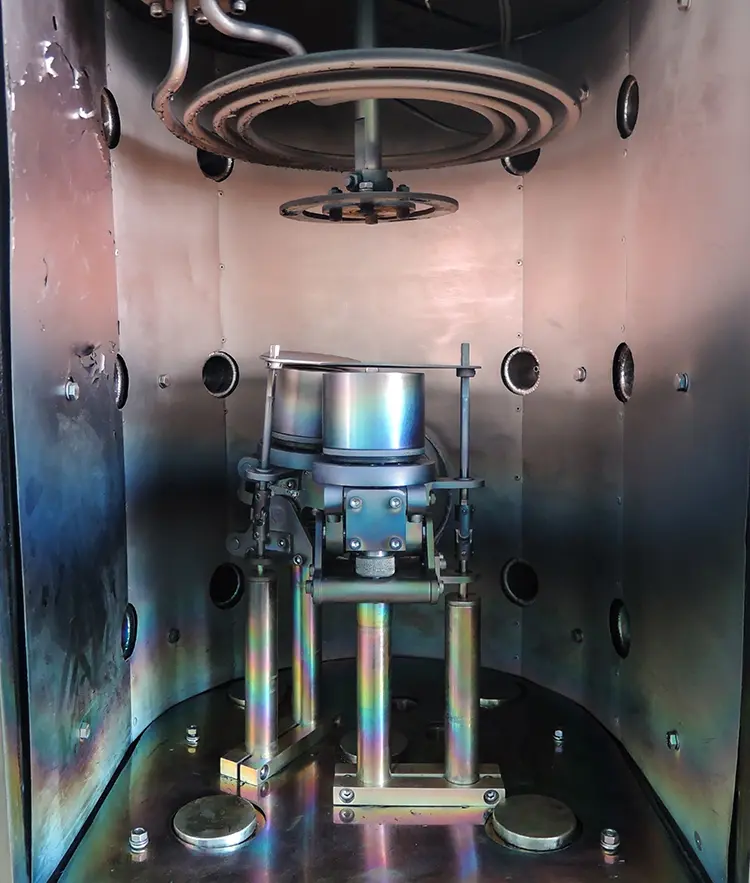
Using high temperature thermocouples in vacuum furnaces

Using high temperature thermocouples for incineration kilns

Using high temperature thermocouples in the glass manufacturing and furnaces

Why the manufacturing process for type C thermocouples wires is so difficult

Using ultra high temperature measurement in heat treatment (furnaces)
